Use Puppets And Props To Enhance Kids’ Storytime
Bringing stories to life with kids gives parents, teachers, and librarians a special opportunity for connection and learning. Using puppets and props can turn a simple storytime into an interactive adventure. From wiggling sock puppets to colorful felt boards, adding these tools makes stories memorable, encourages participation, and supports developing language skills. In this article, I’ll share how to use puppets and props to make kids’ storytime even more engaging and useful for both you and the children.
Why Puppets and Props Work So Well for Kids’ Storytime
Puppets and props do more than just grab attention; they make for a hands-on experience that kids enjoy. I’ve seen even shy children jump into the fun, eager to see what the characters will do next. Storytelling isn’t always easy for little ones to follow if it’s just spoken words. Visual and tactile elements give them a clear, physical way to connect with what’s happening. From my experience, puppets and props get kids talking, moving, and laughing, keeping everyone interested and excited about the story.
Children’s literacy experts support using puppets and props as part of their approach to boost engagement and learning. According to the National Association for the Education of Young Children (NAEYC), these techniques help build vocabulary, listening skills, and memory. When I add even a simple puppet or prop, I’m giving children another angle to understand and remember what they hear. These playful, sensory experiences are especially helpful for children who learn best by seeing or doing.
Get Started and Choose the Right Puppets and Props
Selecting puppets and props might seem a bit overwhelming at first because there are so many options out there. I always suggest starting with familiar, easy-to-hold items that fit common stories. Hand puppets representing animals, people, or fantasy creatures work well, and homemade sock or paper bag puppets are always a hit. For props, things like plastic fruit, hats, or basic felt shapes bring stories to life without being too complicated.
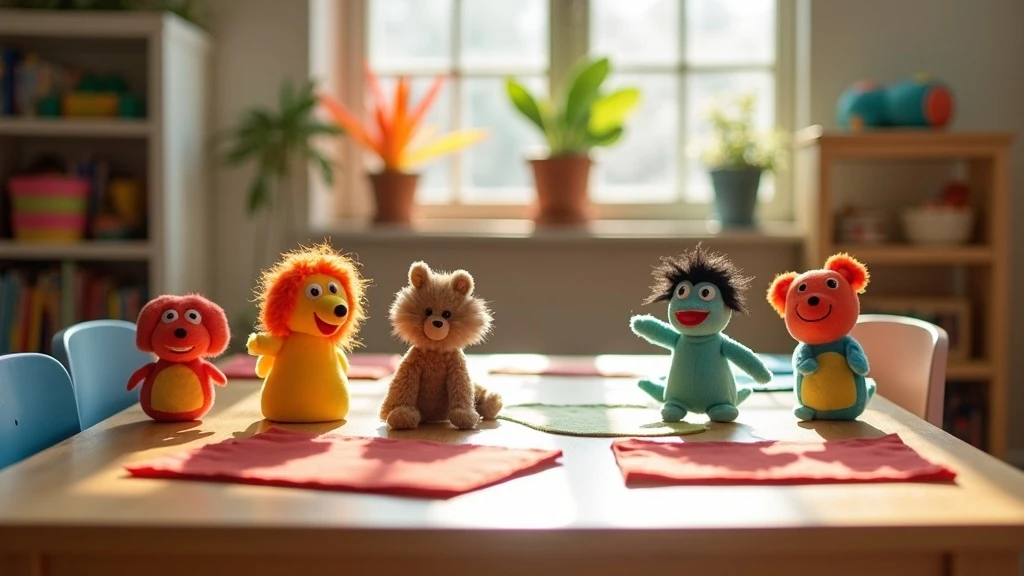
- Hand Puppets: These are easy to use and very expressive. I usually keep a set of animal or character puppets ready for fairy tales and classic stories.
- Finger Puppets: These are perfect when there are lots of characters. I use them for counting stories or songs where each finger becomes a different animal or character.
- Stuffed Toys: With group stories, passing around a soft toy lets every child take part for a moment, especially during “pass the prop” activities.
- Simple Household Items: Bowls, scarves, or wooden spoons can quickly turn into boats, crowns, or whatever a story needs.
Step-by-Step? How to Use Puppets and Props During Storytime
If you’re new to adding these elements, it helps to have a basic plan:
- Pick a story that works well with puppets or props. Animal tales, stories with strong characters, and repetitive tales work beautifully.
- Choose which key characters or scenes deserve a puppet or a prop. For “The Three Little Pigs,” I often use three pig puppets, a wolf, and simple paper houses.
- Practice your voices and movements ahead of time. Simple voices or actions for each puppet keep kids engaged and make the whole experience run smoother.
- Invite children to take part with the puppets or props. Passing puppets around for kids to try or letting them help build a feltboard scene makes everyone a part of the adventure.
- Ask open-ended questions along the way. Questions like, “What do you think the wolf will do next?” get kids thinking and joining in.
With a little trial and error, I can always get even the most energetic groups excited to join in. Kids quickly get involved, acting, talking, and moving along with the story’s action.
Common Challenges and How I Tackle Them
Puppets and props bring new energy, but they can also introduce their own set of challenges. Here’s how I handle a few common ones:
- Kids Get Distracted: Too many props can overwhelm young children. I focus on just a few items and keep everything else hidden until needed.
- Props Get Lost or Broken: It’s easy to misplace small props, so I label all of them and use a bin for storage. If something breaks, I turn it into part of the story or let the group help fix it before moving on.
- Group Size: With large groups, I use bigger puppets and visual props so everyone can see, or choose a few helpers instead of passing everything around.
- Shy Kids: Some children might not want to speak up. Offering a puppet as a “voice” gives them a way to share ideas through a character.
Props That Are Fun and Easy to Make
Storebought puppets work well, but homemade ones often get kids even more excited. Here are a few I like to make with kids:
- Sock Puppets: Use a clean sock, marker, some buttons, and glue. Kids love personalizing their own character and putting it straight into the story.
- Paper Bag Puppets: A regular paper lunch bag makes a perfect stage. Cut out shapes, add yarn for hair, and let kids draw faces for different characters.
- Story Stones: Paint simple images on smooth stones. I keep a set for classic tales and encourage kids to use them for retelling or inventing new stories.
- Felt Boards: I use felt sheets for backgrounds and cut characters and shapes out of felt as well. Kids help move pieces to create the scene as the story unfolds.
Making props as a group turns even the most ordinary stories into creative, memorable experiences, and the process makes kids eager for what’s next.
Tips For Keeping Kids Involved All Storytime Long
Keeping engagement high can sometimes be tricky. Here are a few tricks I use regularly:
- Change Your Voice: Giving each character a different voice draws kids in and helps the story stick. Even just a silly accent works wonders.
- Let Kids Make Choices: I often allow children to choose a puppet or prop before starting or have them vote on which story we’ll do. This builds excitement and makes them more involved.
- Repeat Phrases or Gestures: Create a catchphrase or gesture for each character. The kids will soon jump in and mimic along, which makes for lots of interaction.
- Ask For Help: For stories with groups or music, I invite kids to pretend to be animals, objects, or even just sound effects. That way, everyone takes part.
Everyday Benefits of Puppets and Props in Storytime
The joy of using puppets and props goes beyond just having a good time. Storytimes like this give a boost to language skills, build social confidence, and help kids pay attention longer. I’ve watched children grow more confident as they take on characters and suggest twists for the story. Retelling stories with props helps them learn new words and remember more each time. Plus, sharing props helps with self-control as kids take turns.
Children with speech or language challenges, or those learning English, often participate more easily when they can “talk” through a puppet. Props are a great way to weave in lessons about counting, colors, or feelings. For example, one red scarf can be a “fire” in one tale and then a “superhero cape” in the next, showing how imagination can transform ordinary things.
Frequently Asked Questions
Question: What if I’m not comfortable performing with puppets?
Answer: You don’t need to be a seasoned puppeteer. My experience has shown that kids focus on the fun, not perfect technique. Simple movements and consistent voices are enough, and sometimes letting the kids handle the puppets keeps things light and relaxed for everyone.
Question: How do I keep storytime fair when kids all want a turn?
Answer: I explain at the start if there’s a time limit or if not everyone will get a full turn. Sometimes we rotate roles or pass puppets around if the story allows. With bigger groups, group puppeting or letting some kids be “background characters” works well so everyone gets to play a part.
Question: What stories work best for this approach?
Answer: Repetitive tales, adventures, or stories with standout characters are best—they offer natural places for puppets or props. Folk tales like “The Little Red Hen” or stories with animal voices are always group favorites.
Storytelling Magic With Puppets and Props
Adding puppets and props has completely transformed how I approach storytime. Each session is bursting with laughter, movement, and real learning. Kids love to be in on the action, and even quiet children start to take part. With a handful of simple props and a bit of enthusiasm, storytime quickly becomes one of the best parts of the day.
Give it a try the next time you read with your kids. You’ll probably find yourself as entertained as they are!