
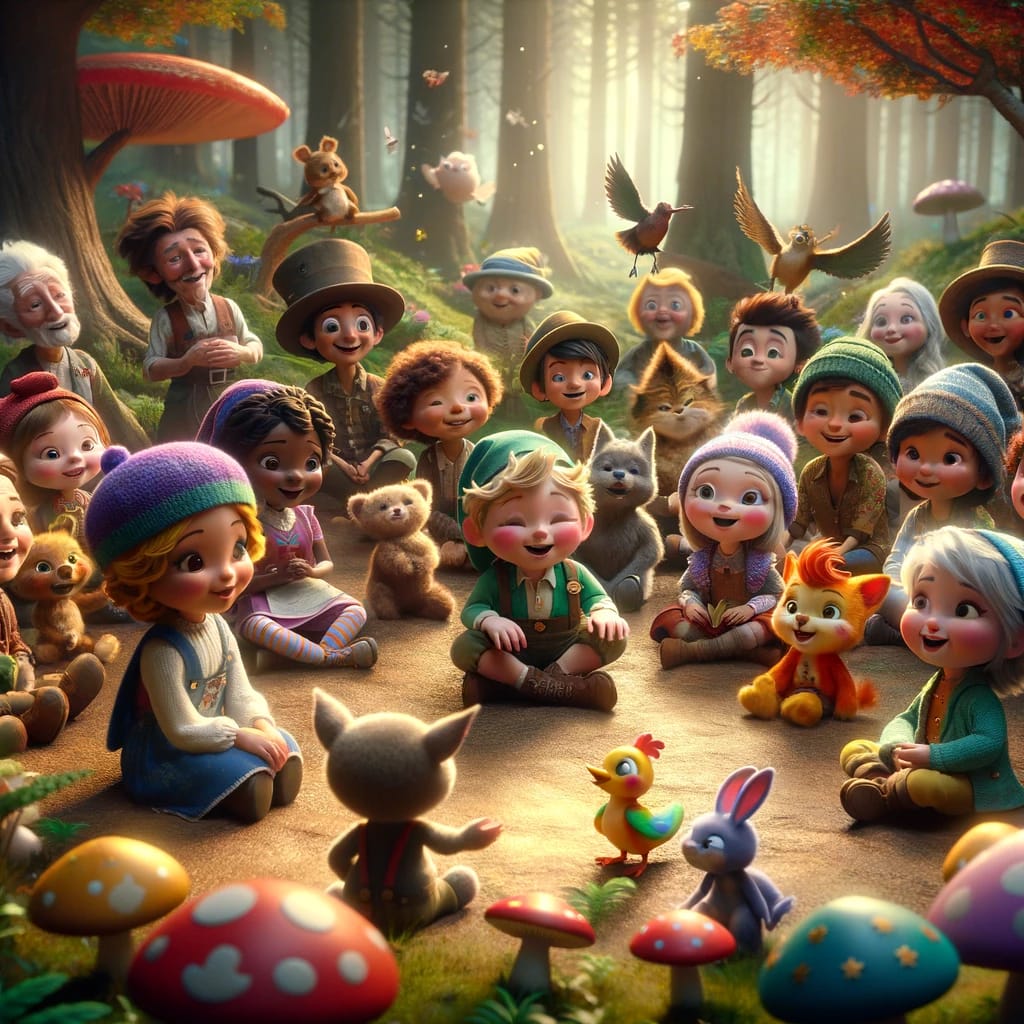

Making friends shapes how I see the world and who I become, especially in stories that grab my imagination. “Freddy Fox’s Fantastic Friends” is more than just a playful idea. It’s a story filled with fun, learning, and the kind of friendship lessons that stick with me well after the last page. Whether I’m new to these characters or already know Freddy Fox, I find a lot to enjoy and track down in their adventures. This article will bring you up to speed on what makes Freddy Fox’s crew so special, why their friendship works, and what any reader—child or adult—can take away from their stories.
Meet Freddy Fox and His Fantastic Friends
Freddy Fox is a bright, clever little fox who lives in a lively woodland. He isn’t the biggest or fastest animal, but he has something even more important: his curiosity, kindness, and a natural knack for making friends. Freddy’s group stands out because it blends so many kinds of personalities and skills. Each friend brings something unique to the table, making their adventures much richer and more interesting than anything Freddy could do alone.
Over time, Freddy’s group of friends has grown. Some of his closest companions include:
- Rita Rabbit: Quickthinking and always ready with an idea when the group needs help getting out of sticky situations.
- Ollie Owl: Wise and patient, Ollie helps the group see the bigger picture or find the right path when everyone else feels lost.
- Sasha Squirrel: Energetic and creative, Sasha’s energy pulls everyone together when group spirits run low.
- Benny Badger: Gentle but strong, Benny often helps when problems require a bit more muscle or steady thinking.
Each character gives me different ways to understand what friendship is all about—from cheering up a friend to facing fears as a team. The woodland setting is both familiar and magical, giving these friendships the space to grow with every adventure.
Learn Friendship Skills from Freddy’s Adventures
I notice that the stories in “Freddy Fox’s Fantastic Friends” aren’t just about clever escapes or solving forest mysteries. They focus on problem solving and using everyone’s strengths. When the friends get separated, for example, Rita’s quick wits and Ollie’s sharp eyes help reunite the group. When someone feels left out, Sasha always has a way to include them in the fun.
These storylines give me real-life examples of teamwork, communication, and empathy. In one story, Freddy makes a mistake that could have ruined the group’s picnic. Instead of ignoring it or pretending nothing happened, he talks honestly with his friends. Together, they come up with a new plan that ends up being even more fun. That scene sticks with me as a reminder that it’s okay to make mistakes—talking it out can actually make a friendship stronger.
- Teamwork: Every big problem they solve comes from combining their skills. No one has to do everything alone.
- Empathy: When a friend is down, the others notice and make an effort to help, showing that being a good friend sometimes means listening more than talking.
- Respect for Differences: The group doesn’t always agree, but they try to understand each other’s views. That helps everyone feel included.
Get to Know Each Character’s Role
Freddy Fox’s group works well because each friend is both different and valuable. Here’s how I see their roles:
- Freddy Fox: He often acts as the connector, making sure everyone feels welcome. Freddy admits when he’s unsure or scared, which encourages others to share honestly, too.
- Rita Rabbit: Rita is great at planning. When the woodland gathers for big events, she organizes everything, making sure no one is left out of the fun.
- Ollie Owl: As the thoughtful problemsolver, Ollie keeps an eye on the group’s bigger needs, like when they have to find their way home after dark.
- Sasha Squirrel: Sasha celebrates everyone’s little victories and keeps even boring chores interesting with songs or games.
- Benny Badger: Benny is the steady support. If someone feels nervous about a new experience, Benny is the first to offer a paw in comfort.
The blend of personalities avoids the idea that everyone must be the same in order to get along. I find that this gives even young readers a practical model for accepting people who aren’t just like them.
How Freddy and Friends Overcome Common Friendship Challenges
No friendship is perfect, and the stories recognize this. Arguments, jealousy, or misunderstandings sometimes happen among Freddy’s friends, just like in real life. These moments never last long because the characters act with care and face their issues honestly. Here are some of the most common issues the group faces and what I see them do to move forward:
- Disagreements about Plans: When Freddy wants to play a trick but others aren’t sure, the group talks it out. Sometimes they try the trick and sometimes they don’t, but everyone’s feelings matter in the end.
- Feeling Left Out: If a friend feels excluded, Sasha or Ricky will check in with them later. They ask questions and invite them to join the next game, showing that small gestures help friends reconnect.
- Losing or Damaging a Friend’s Item: When Benny accidentally breaks Rita’s basket, Benny admits what happened and helps fix it. This builds trust, which makes everyone more comfortable sharing their own accidents or problems later on.
Admit Mistakes and Make Things Right
I find it really important that the stories show how to apologize and forgive. When someone in the group apologizes, forgiveness isn’t just given automatically. Instead, the process of talking, listening, and making things right is shown step by step. This isn’t just helpful for kids—I think adults can use these reminders, too.
Why Diversity in Friendship Makes Their Adventures Better
One thing I appreciate about “Freddy Fox’s Fantastic Friends” is the mix of personalities, backgrounds, and abilities. By showing different strengths, the stories highlight how much we can all learn from each other. Diversity makes the group’s adventures more eye-catching and fun, as everyone contributes their own style. For instance, Sasha might suggest a new game that no one has played before, or Ollie could share a wise story from his owl ancestors during a campfire night.
Instead of just going with the loudest idea, Freddy and his friends pause to hear from everyone. Sometimes a friend who doesn’t talk very much, like Benny, ends up having the best solution. This is a great example of how listening to quieter voices can change the outcome for the better.
- Learning New Skills: Freddy tries Sasha’s way of climbing trees and stumbles upon a hidden skill he didn’t know he had.
- Trying Different Foods: Each friend brings new foods to their woodland picnics, which introduces the group to flavors they wouldn’t have tried otherwise.
- Cultural Traditions: The friends share stories from their families, helping them see how different traditions can all bring people together. Sometimes they even celebrate a festival from one friend’s family together, learning its meaning and adding their own twist, like decorating a tree with handmade crafts.
Advice for Building Better Friendships (Inspired by Freddy and Team)
The lessons in “Freddy Fox’s Fantastic Friends” are simple, but I find that they apply to real relationships of all kinds. Here are a few practical tips I picked up from their stories that you might find useful, too:
- Be Curious About Others: Ask friends about their ideas, likes, and family traditions. Everyone has something interesting to share. If you don’t understand something about your friend, just ask! Most people like to talk about what they love.
- Make Time for Others: Just hanging out, even if you don’t have an exciting plan, can help a friendship grow deeper. Sometimes, the best conversations happen during a simple walk or while sitting together by a stream.
- Say Sorry (and Mean It): If you make a mistake, own up to it and show your friend you want to fix it. Offering to help or doing something kind can make your apology feel extra real.
- Celebrate Your Differences: Try new games or foods because a friend suggested them. Sometimes the best memories come from unexpected experiences, and embracing differences makes those moments shine.
- Stick Together When It Matters: Friends who help each other when things are tough become even closer, just like Freddy’s group after a hard day. Offering encouragement or a listening ear can turn someone’s whole day around.

Frequently Asked Questions About Freddy Fox’s Fantastic Friends
Here are a few questions people ask me about Freddy and his group, along with my answers. These FAQs can help you decide if these stories are right for your family or maybe inspire a few adventures of your own!
Question: Is “Freddy Fox’s Fantastic Friends” a book series or a TV show?
Answer: It began as a book series, but has inspired animated episodes and even familyfriendly games. I think the stories work well in any format because the characters and lessons translate easily.
Question: What age group is this story best for?
Answer: These stories are written with young readers in mind (ages 4–8), but I’ve seen older kids enjoy them, too. The positive friendship lessons make them good readalouds for families.
Question: How can I use these stories in the classroom or at home?
Answer: Many teachers and parents use Freddy’s stories to start discussions about teamwork, feelings, and including everyone. Making up your own woodland adventures with the characters can be a fun activity too—draw a map of the forest or write a new story featuring Freddy’s friends facing a challenge.
What Makes Freddy Fox’s Group So Memorable?
I keep coming back to “Freddy Fox’s Fantastic Friends” because the stories remind me just how much genuine friendship can offer. The mix of personalities, real challenges, and everyday kindnesses makes these tales feel timeless and useful. No two friends have to be alike; that’s what keeps every adventure both unpredictable and rewarding. Anyone who reads about Freddy and his friends leaves with more ideas about what it means to be a good friend—whether in the classroom, the playground, or anywhere friendships can grow. Next time you pick up one of these stories, look for the small ways the group helps each other and see what lessons you might carry into your own adventures with friends.


