
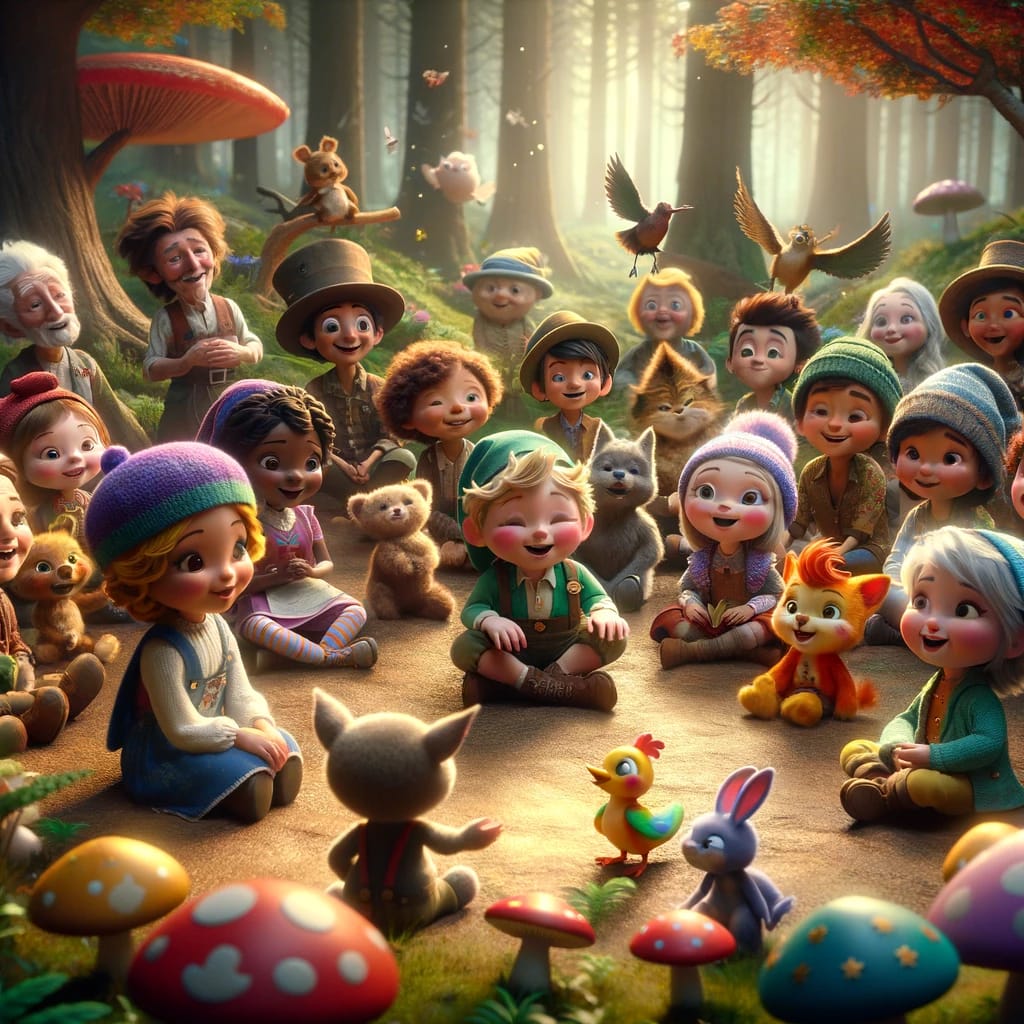

Camping With Best Buddies
Camping with friends is one of my favorite ways to break from daily routines and hit reset. Spending a weekend in nature, far from screens and city noise, has a way of bringing people together. A trip like this really shows you who your best buddies are, especially when you’re all learning as you go. There’s a lot to consider when organizing a camping adventure, so I’ll walk you through everything you need to know for an unforgettable trip with your crew.
Why Camping With Friends is Worth It
There’s something unique about heading out into the wild with your closest pals. Whether you’re hiking, setting up tents, or sitting around a campfire swapping stories, camping with friends turns simple tasks into memories you’ll treasure for years. Research suggests shared experiences, especially in the outdoors, improve friendships, reduce stress, and even give a boost to feelings of happiness.
Unlike solo trips or family vacations, a friends’ camping trip is a relaxed way to deepen connections. Having a group with you isn’t just helpful when something goes wrong (like a tent pole crisis); it makes the fun moments even better, too. If you’re craving genuine quality time, leaving behind the WiFi and splitting snacks around a fire is a pretty solid place to start.
The freedom of the outdoors also means you and your friends can really disconnect from the noise of daily obligations. No need to worry about emails or work calls. Instead, nature sets the pace for your group, whether it’s hiking through pine forests, sharing sunrise coffee at the lake edge, or simply watching the stars. These moments have a way of sticking with you long after the tents are packed away.
Get Ready and Plan Your Group Camping Trip
When it comes to group camping, a little prep goes a long way. Even if you’re all pretty chill, planning ahead keeps things running smoothly. Here are the main things I always focus on:
- Location: National parks, beaches, and state campgrounds are all great options. I like to check if the spot has amenities (like bathrooms or showers) and whether reservations are needed.
- Group Size: Knowing how many buddies are joining helps pick the right site and plan meals. Campsites often have limits, so count heads before booking.
- Travel Plan: Carpooling is handy for saving gas and parking space. Decide who’s driving and when everyone’s meeting up.
- Activities: Some friends love hiking, others prefer chilling at camp. Chat before the trip and make a rough plan for hikes, swims, or hangouts, leaving room for flexibility.
I always double-check local camping rules and permit requirements. Some areas restrict campfires, dogs, or glass containers, so it’s smart to get the details early. Sites like Recreation.gov and state park pages have reliable info for booking and updates.
It helps to talk logistics openly, too. Setting expectations prevents surprises. A quick group chat to clear up questions—like shared budgets, personal comfort levels, or dietary needs—makes everybody feel included and ready.
Gear Essentials for Group Camping
Packing for a camping trip with friends isn’t too different from solo camping, but there are a few extras to consider. Here’s my group camping checklist:
- Tents & Sleeping Bags: Bring enough for everyone. Some friends prefer sharing bigger tents, others like solo setups for privacy. Pick tents that handle the weather where you’ll be, since rain and wind happen!
- Cooking Gear: Camp stoves, fuel, lighter, and sturdy pots are key. Divide who brings what, and don’t forget utensils, plates, mugs, and a portable cooler with ice for food safety. I pack extra snacks for late-night cravings.
- Lighting: Headlamps, lanterns, and backup batteries come in clutch after sunset. A string of fairy lights around camp adds a cozy vibe.
- Chairs & Tables: Sitting on a log works, but camp chairs and a folding table keep meals and games comfortable.
- First Aid & Emergency Gear: Someone should always carry a small first-aid kit, bug spray, sunscreen, and basic tools like a pocket knife or multitool. I keep a map and compass handy just in case phones lose signal.
- Cleanup Supplies: Trash bags, biodegradable soap, and paper towels help leave the site spotless, which is super important for keeping camping spots open for future trips.
For first-timers or larger groups, I’ve found that sharing gear lists in a spreadsheet keeps everyone on track. Don’t forget extras like rope, duct tape, or a thermal blanket—these come in handy for unexpected fixes or chilly nights.
How to Keep Everyone Happy at Camp
Group camping is all about sharing tasks and making sure everyone feels involved. I’ve found these tips help keep the good vibes rolling:
- Share Meal Duties: Assign small kitchen “crews” for each meal, or have each buddy bring their favorite camping dish. This keeps one person from doing all the work.
- Set Up Together: Working as a team on tents, tarps, and firewood builds camaraderie and gets chores done faster. Plus, it gives everyone a sense of accomplishment.
- Respect Quiet & Space: Everyone camps differently. Some folks wake up early, others love sleeping in. Give each other space to nap, read, or just chill.
- Include All Buddies in Decisions: Even small stuff, like whether to hike or play cards, is more fun if everyone gets input. I think group texts or shared notes are super useful for keeping plans organized.
- Plan for Downtime: Not every moment needs to be active. Cards, a book, or just listening to the forest keeps the mood relaxed.
When everyone pitches in, the trip feels more like a team effort and less like work. Plus, it’s more fun to celebrate a meal or a perfectly pitched tent knowing everyone helped make it happen.
Group Camping Common Problems (And How I Handle Them)
Even the smoothest trips run into a few hiccups. Being ready for the usual snags helps your group bounce back quickly.
- Bad Weather: Rain happens. I always check forecasts before leaving and bring a tarp or canopy for quick shelter. Extra dry socks and rain jackets are a lifesaver.
- Food Mix-Ups: Someone will forget coffee, or another buddy brings only chips. I make a shareable grocery list, double-check before we head out, and pack a few backup snacks.
- Tent Drama: Tent poles go missing, or someone struggles with theirs. Watch a setup video before the trip, and make sure at least one person knows how every tent works.
- Noise Troubles: Whether it’s late-night laughs or a neighbor with loud music, a friendly chat can go a long way. I try to camp in areas with likeminded groups for fewer complaints.
- Leaving a Mess: Nobody wants to be “that group” that trashes a campsite. I lead a quick site sweep before leaving, making sure all trash and food scraps are packed out.
Solve Arguments and Stress
Personalities can clash, even among good friends. I like to pause and give space if disagreements pop up. Sometimes taking a short walk or playing a game helps everyone unwind. Open talks and humor make a big difference.
I also make sure everyone knows stress is normal, especially when plans don’t go perfectly. Positive attitudes and patience go a long way. If all else fails, take a breather and return to why you’re out there: to relax and enjoy each other’s company.
Favorite Activities to Try With Your Crew
The best camping trips have a mix of adventure and downtime. Here are some of my group’s top picks:
- Day Hikes: Exploring trails together is always rewarding. Pack plenty of water and do a group selfie at the summit; it’s classic for a reason.
- Swimming: Lakes, rivers, or the ocean keep everyone busy. Bring towels, water shoes, and sunblock for comfort and safety.
- Campfire Games: Word games, charades, or storytelling work well. Bringing a deck of cards or a compact board game livens up the evening.
- Stargazing: Away from city lights, the night sky’s eye-catching. I bring an app to help spot constellations.
- Campfire Cooking Challenges: Compete to grill the best marshmallow or most creative foil packet meal. It’s both tasty and hilarious.
Don’t forget about nature scavenger hunts, photo contests, or even trying out some outdoor art or journaling. Activities like these make for lasting memories and awesome conversations by the campfire later on.
Beginner’s Guide to Group Camping Logistics
If you’re new to group camping, these steps help things run smoothly from start to finish:
- Pick a Date & Place: Poll your group for dates and decide where to go. Weekends fill up fast in popular spots, so book early.
- Delegate Responsibilities: Who’s packing the stove? Who’s got the maps? Keeping a shared checklist prevents doubling up or missing gear.
- Plan Carpooling: Fewer cars mean easier parking and less impact on the site. Make sure every driver knows the way and has a backup offline map.
- Divvy Up Costs: Share costs for permits, food, and gas. Venmo or cash works for paybacks, so no one feels shortchanged.
- Safety Comes First: Tell someone back home where you’re going and when you’ll return. Cell signals are tricky out there, so safety plans keep everyone covered.
Also, remember to check the weather as your trip approaches and prepare accordingly. A last-minute rain poncho or swap of sleeping bags can make a huge difference. And before heading out, make sure everyone’s comfortable with the plan—no surprises means more time for fun.

FAQs About Camping With Best Buddies
A few questions tend to pop up before group camping trips. Here’s how I handle the most common ones:
Question: What if my friends and I have never camped before?
Answer: Start small. Choose a drive-in campsite with amenities and keep the first trip short. Borrow or rent gear to test what works before buying your own.
Question: How do we split up gear and responsibilities?
Answer: Create a shared online checklist and group chat. Assign who brings tents, who handles meals, and who’s packing cleanup supplies. This keeps everyone involved and prepared.
Question: What if the campfire isn’t allowed?
Answer: Bring battery powered lanterns, string lights, and games. You’ll still have a great time swapping stories and bonding, even without a real fire burning.
My Final Thoughts on Camping with Friends
Camping with buddies doesn’t have to be complicated. The best trips stick to the basics: good company, simple food, and some time outdoors. If you’re nervous about planning your first group trip, just remember most people are there for laughs and grilled marshmallows, not luxury accommodations. Stay flexible, pitch in, and enjoy the chaos. You’ll come home with stories you’ll talk about for years.
So, next time your group chat’s buzzing with adventure ideas, suggest camping. It’ll give everybody a chance to unplug, reconnect, and make some next-level cool memories together. Nature’s out there waiting for you and your friends to make it your own temporary, wild home.


