Pip The Penguin’s Party
Pip The Penguin’s Party holds a special place in my heart, and I know many kids and parents feel the same way. This story follows Pip, a cheerful penguin who is getting ready for a big celebration with friends from all around the icy landscape. I’ll share what makes this story memorable and helpful for families or educators who want to use it for learning and fun. If you’re just stumbling upon Pip’s adventures or thinking about using this book for story time, you’re in the right place.
The Story Behind Pip The Penguin’s Party
Pip The Penguin’s Party was first published a few years ago and quickly became a favorite for children and those reading with them. The book’s author, Emma Bright, was inspired by her own experiences teaching preschoolers and wanting a story that both entertained and taught positive values. Pip isn’t just any penguin; he’s friendly, curious, and loves making everyone feel included. These qualities shine through on every page, making Pip’s story relatable and delightful for young listeners.
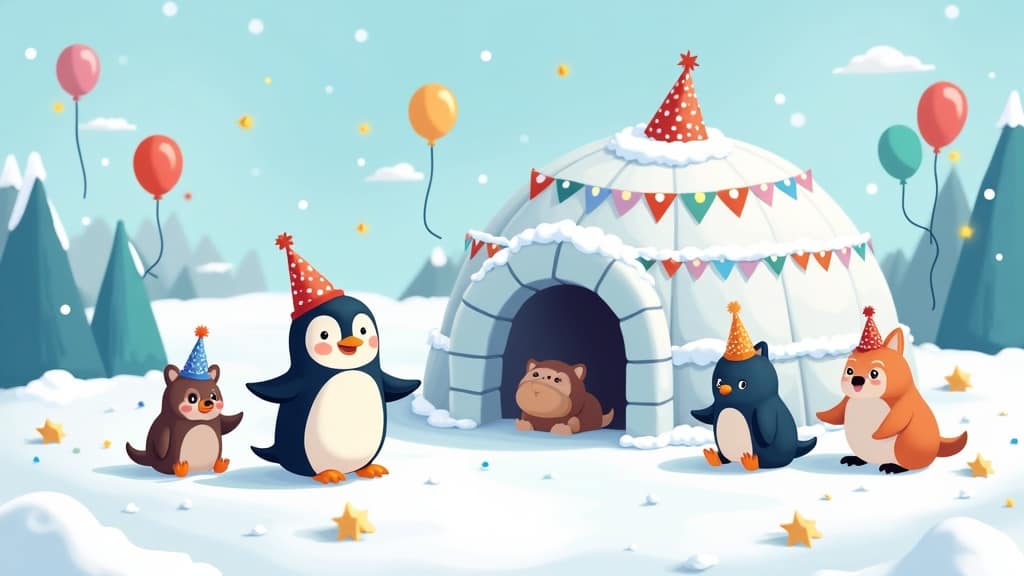
The setting, a snowy stretch of Antarctica, adds magic to the tale. The icy backdrop is more than just a location. It’s where friendship, excitement, and gentle life lessons all come together. The party theme brings a bunch of Antarctic creatures together, showing the joy of teamwork, sharing, and communication.
Many classrooms and families have used Pip’s adventures to start conversations about kindness, diversity, and the simple joys of planning something together. In my experience, a story like this can help even shy children open up and join the fun, whether during reading time or actual birthday parties. Over the years, Pip’s world has inspired classroom art projects, themed snacks, and dramatic play—making it a standout favorite in many circles.
Getting to Know Pip and His Friends
Meeting all the characters is one of the highlights for me. Pip is, of course, the star. He’s excited to throw a great party and wants everyone to feel welcome. Pip’s friends are a colorful bunch, and each one brings something unique to the story. I think this is a big reason so many children relate to the book—everyone can spot a favorite character.
- Pip the Penguin: The cheerful and organized host, always making sure no one feels left out.
- Lulu the Snowy Owl: The wise party planner who helps Pip sort invitations and come up with ideas.
- Monty the Seal: Pip’s playful friend, always full of jokes and games.
- Bella the Arctic Fox: The creative artist who decorates the igloo and helps set up the party space.
- Sammy the Little Fish: A shy but thoughtful friend who learns to join in without feeling overwhelmed.
Each animal has a chance to shine and plays an important role in making the party a big hit. I love how Pip shows that everyone, no matter how quiet or small, can help a group do something special. This message always connects with kids, especially those who might feel nervous in new situations or when trying something new for the first time.
Key Themes and Lessons for Kids
There’s more to Pip The Penguin’s Party than balloons and streamers. The story gently weaves in valuable lessons that are just right for preschoolers and young school-age children.
- Friendship: Kids see the value of helping one another and celebrating together. Pip invites everyone and makes sure no one is left out, which is really important for young readers learning social skills.
- Planning and Teamwork: From writing invitations to decorating, the book shows how everyone’s strengths can make a group project better and more fun. I find that kids enjoy imagining which character they’re most like and how they would help Pip.
- Inclusion: Pip pays attention to friends who are shy, such as Sammy the Little Fish, and makes sure everyone has a chance to join in. That sends a powerful message about kindness and support for all.
- Problem-Solving: There’s always a small hiccup that pops up—sometimes invitations go missing, other times supplies run short. The animals work together to solve these problems, helping children see how teamwork gets things done.
Parents and teachers often tell me the story works well as a gentle introduction to group projects and little party planning. Kids pick up these lessons naturally while enjoying the fun and excitement of Pip’s special day.
Simple Steps to Host Your Own PipInspired Party
Whenever I read Pip The Penguin’s Party to a class or group, I get plenty of requests to “have a party just like Pip’s.” Making a Pipinspired party is easy, and it brings the story to life in a hands-on way. Here’s how I help kids recreate Pip’s magical celebration:
- Send Invitations: Let kids make penguin-shaped invitations, just as Pip does. Cutting out little penguins and coloring them keeps everyone busy and excited for the party.
- Decorate the Space: Use blue, white, and silver streamers, balloons, and simple paper snowflakes. A picture of an igloo makes a perfect backdrop, and white sheets or cotton can stand in as “snow.”
- Games from the Story: Games like “Follow the Snowy Owl” or “Arctic Fish Tag” are favorites. The main idea is to choose games that everyone can play, just like Pip would want.
- Penguin Snacks: Offer small treats such as fishshaped crackers or fruit cups. If you like baking, cupcakes with a penguin topper are always met with big smiles.
- Party Favors: Send kids home with a little note from “Pip” and a sticker or a tiny penguin toy.
Bringing details from the story into real life helps children remember Pip’s lessons and makes the experience memorable. I’ve seen even more reserved kids come out of their shells when given a bit of encouragement from Pip’s world.
Common Questions About Pip The Penguin’s Party
I hear many of the same questions from parents, librarians, and teachers who want to use Pip’s story. Here are a few of the top questions I get asked:
Question: Is Pip The Penguin’s Party suitable for preschoolers?
Answer: Yes, the book’s language and story style are great for ages three to eight. The themes are just right for this age group, and the illustrations keep little ones focused.
Question: Can this book be used for group activities?
Answer: Definitely. It’s ideal for circle time, readalouds, or small group activities. The partyplanning theme makes it easy to tie in arts, crafts, and teamwork exercises.
Question: Are there lesson plans or resources that go along with the story?
Answer: Plenty of teachers have made their own, but I’ve also come across printable worksheets and coloring pages online, some provided by the publisher. They cover everything from kindness and sharing to counting and art projects inspired by the book.
Tips for Making the Most of Pip’s Story
Pip The Penguin’s Party can be much more than just a cute bedtime story. I enjoy using it to jumpstart creativity and fresh learning experiences. Here are a few ideas that have worked well for me:
- Connect the Story to Real Life: If your child is heading to a party or meeting new friends, remind them how Pip deals with both the thrills and jitters of special events. It gives children something familiar to relate to when stepping into new situations.
- Try Story Extensions: Ask your kids which animals they would invite to their own party and what games they’d like to play. Drawing these ideas or making up short stories brings the book to life in new, personal ways.
- Practice Social Skills: Act out situations from the story where Pip helps a friend or tackles a challenge. Asking “what would Pip do?” can help kids think through their own tricky moments and try out positive solutions.
Using the book as a jumpingoff point for crafts, storytelling, or even simple math activities, like counting party hats or treats, keeps young readers involved and builds their skills in creative ways.
Who Will Enjoy Pip The Penguin’s Party?
I’ve seen children of many ages light up when reading this book, but it works especially well for preschoolers and kids in early elementary grades. The bright artwork and playful story make it a winner for group story times and bedtime alike. Teachers looking for material on friendship or inclusion themes will find it a strong fit for their lesson plans.
Caretakers and educators hoping to bring more kindness and cooperation into daily life will find plenty of inspiration here. Pip and his friends give children a positive model to follow, and the cheerful mood helps reassure those who might be facing new social events or classrooms. Even after several readings, the story doesn’t lose its charm. It’s one of those books you’ll be happy to give as a birthday present or add to a classroom library.
Plus, with unforgettable characters and heartwarming lessons, Pip’s adventures make each reading special for both grownups and kids. If you’re searching for a way to help little ones learn about caring, planning, and celebrating, this storybook is an easy choice that delivers joy again and again.
Final Thoughts
Pip The Penguin’s Party continues to be a popular choice for so many great reasons. It drops children into relatable social moments and celebrates the magic of community and sharing. The lively pictures, lovable group of friends, and simple, inclusive storyline keep its appeal strong every year. Whether you’re hosting a Pipinspired party, reading aloud for a crowd, or just snuggling in for some quiet story time, this book brings plenty of warmth and big smiles. I always love watching young readers light up when Pip and his friends start preparing for the party. I hope your experience with Pip is just as joyful and full of togetherness as it has been for me and so many others.


Leave a Reply